The Ultimate Guide To Choosing The Bra Size Well begins with understanding that the right bra is about more than just style—it’s essential for comfort, support, confidence, and overall breast health. Wearing the wrong bra size can lead to shoulder pain, back discomfort, poor posture, and an uncomfortable fit. By learning how to measure yourself correctly and identify the perfect fit, you can enjoy better support and feel more confident in your everyday clothing.
Choosing the correct bra size involves more than knowing your band and cup measurements. Different bra styles, fabrics, and brands can fit differently, making it important to understand how a bra should sit on your body. Features such as adjustable straps, supportive bands, and well-fitted cups all contribute to long-lasting comfort and a flattering shape.
In this ultimate guide, you’ll learn how to measure your bra size accurately, recognize the signs of an ill-fitting bra, understand sister sizing, and choose the best bra for your body shape and lifestyle. Whether you’re buying your first bra or replacing your current collection, these expert tips will help you find the perfect fit with confidence.

The perfect bra must respect the shape of the chest and back.
It should not tighten, or folds, or leave marks and should be as comfortable as a second skin.
As each chest is a world, sometimes the choice of the right size is complicated, although the bras follow standards.
Table of Contents
What type of bra should you choose according to your chest?

– If you have little chest: look for a bra whose cup rounds the shapes and those that have a lateral filling, to center and increase the chest.
Look for it with a push-up effect, bralettes (with hoops), half cups, low cut vertical seams, thin straps.
– If you have a lot of chests: look for good support.
If you want to hide and pick up the chest, use reducers with wide padded straps or with diagonal cuts in the cup and whole rings.
Look for it with support, reducers, whole cups, wide straps, and U-backs, seams in the T-cups.
– If your chest is down: you should lift your chest with a bra that presses on the lower chest and enhances it.
Find them preformed and with adjustable straps for greater support of rigid fabrics and functional hoops.
– If you have a separate chest: you must join both breasts with a bra that has a separator and reinforced sides.
Look for it with reinforcement or side fill and side T seam.
How should a bra look?
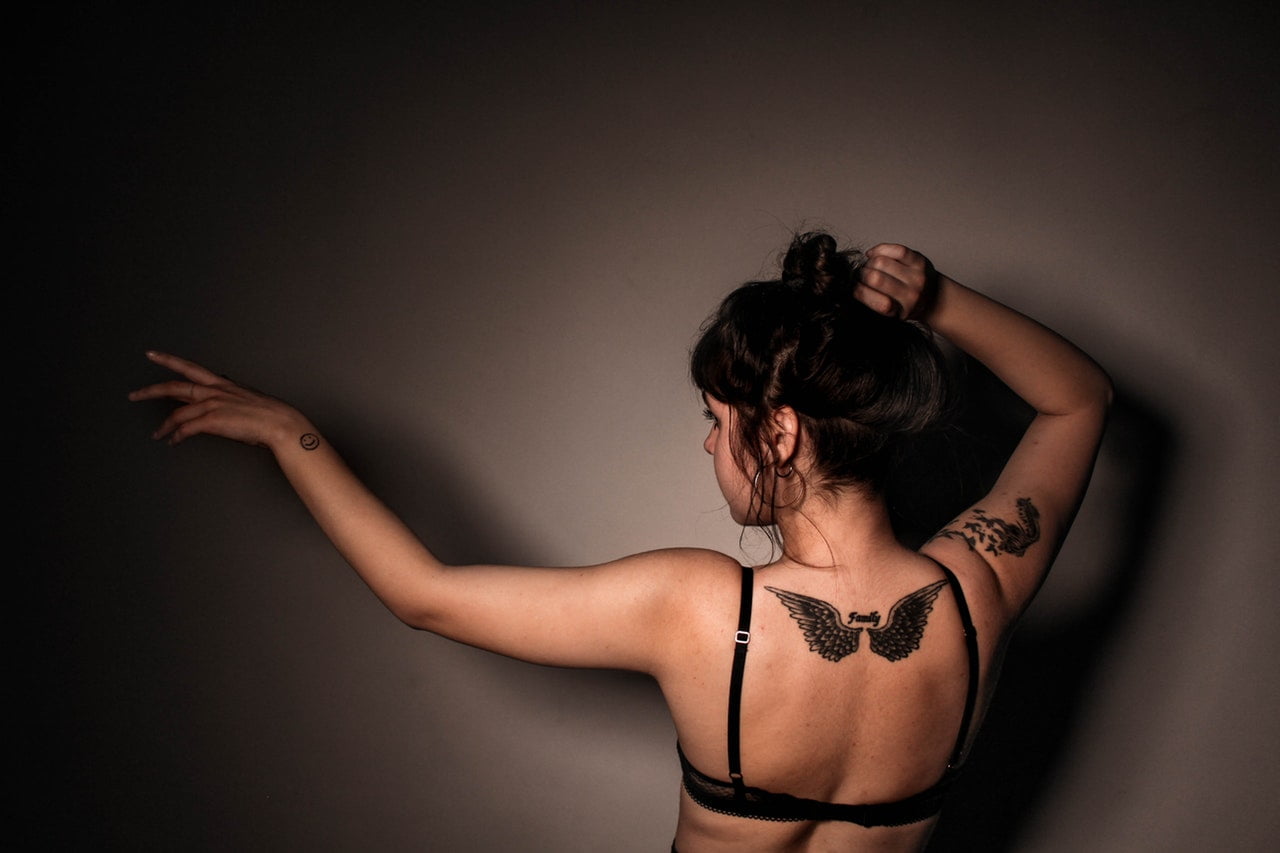
The lower band that represents the contour should be at the same height at the front and back, adjusting around the chest.
- If you climb behind it is because the bra is small in contour.
- The cup should collect the entire chest.
- If your chest compresses, it is because you need one more cup.
- If the tissue is loose or hollowed out, it is because you need a cup less.
The straps should fit perfectly to the shoulders, leaving only a few millimeters of margin. If they stick or fall, we must regulate them until they keep comfortably on the shoulders.
Do you feel identified with any of these situations?
- You get the chest of the bra: try one more cup
- The chin and your chest almost touch: loosen the straps a little
- You always go with the straps down: you must adjust
- You can store the phone between your chest and the cup: you need a cup less
- The back of your bra reaches the back of your neck: you have some contour size leftover
- You have a peak-shaped chest like Madonna in the 80s: choose a padded bra that makes you a rounded shape
- You suffer from the bitette effect (the ring is nailed to the sides or in the center of the chest: try a bra without a hoop or you may need one more cup.
And follow these tips
- Do not buy bras when you are ovulating or have the period. The size may vary.
- The back should not be below the lower chest line.
- The material, the width of the strap, or the type of ring is very important to achieve a good grip.
- The hoop must always be attached to the chest.
- Check your measurements every so often: your body changes with age and the chest also.
- In situations such as breastfeeding, breast operations, mastectomies, consult with an expert on what type of bra suits you best.
- And, most important of all: Never buy a bra without trying it on. Even if you are clear about your size, each brand is a world.
Are you already clear about the bra size you wear? What do you think of the definitive guide to choosing the bra size well?
Thank you very much for your comments!! 🙂