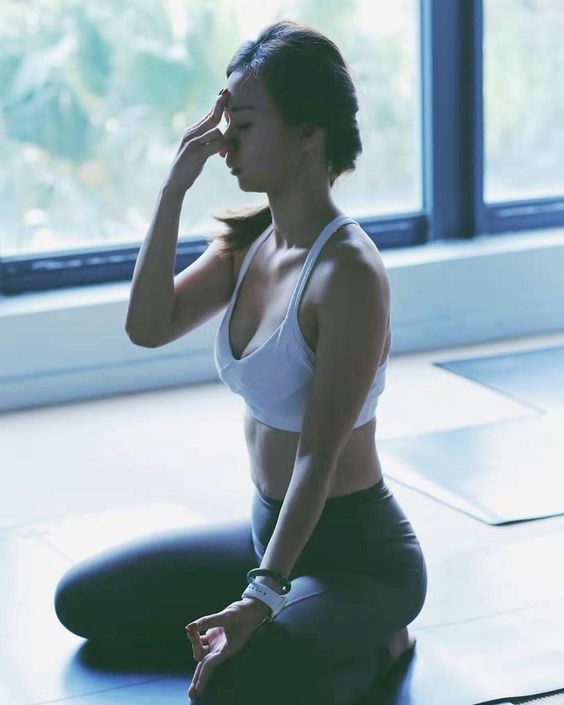
Anxiety can make even ordinary moments feel overwhelming. Racing thoughts, a tight chest, rapid breathing, and a constant sense of uneasiness can make it difficult to relax and focus. While anxiety can have many causes, simple breathing techniques may help calm the body and create a greater sense of control during stressful moments.
Deep breathing exercises is an easy practice that can be done almost anywhere and does not require special equipment. By slowing your breathing and focusing on each breath, you can encourage relaxation and shift your attention away from anxious thoughts. It can be especially useful when you need a quick way to settle your mind during a stressful situation.
In this article, we’ll explore 3 deep breathing exercises to reduce anxiety and explain how to practice each technique safely and effectively.
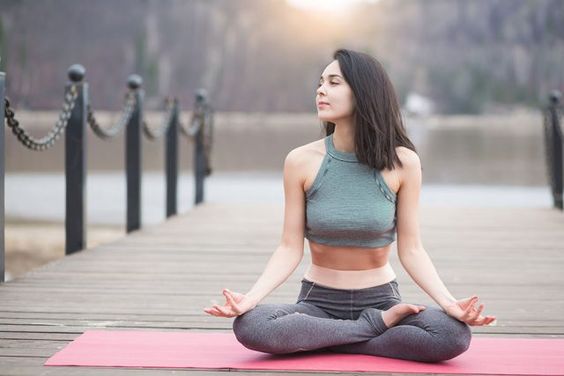
The main objectives of doing this are to purify the physical body and the energy body, balance the flows of vital and mental energy, increase the level of energy, regulate the flow of prana to stabilize mental activity.
The link between the breath and the mind is narrow: when you are calm, your breathing is slow and deep, while if you are agitated or feel fear or anxiety, your breathing becomes superficial, fast, and arrhythmic.
Breathing is connected to the entire nervous system, so breathing consciously brings calm mental clarity and emotional stability. It is an ideal tool to bring you into the present moment, calm thoughts, and connect with your interior.
Table of Contents
Nadi Shodhana
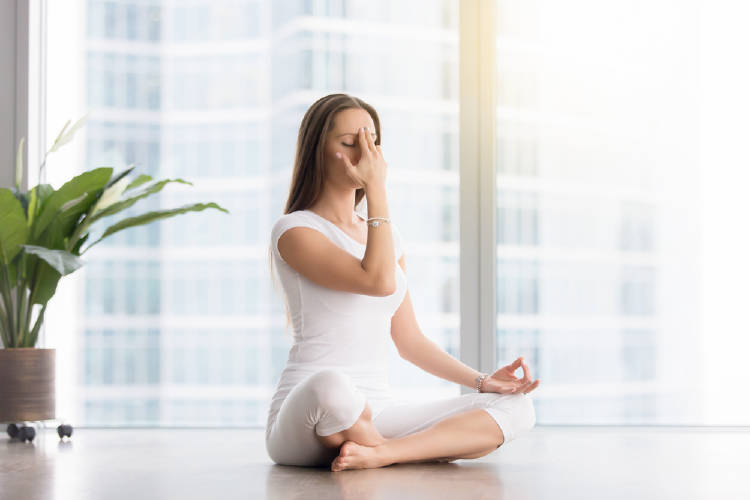
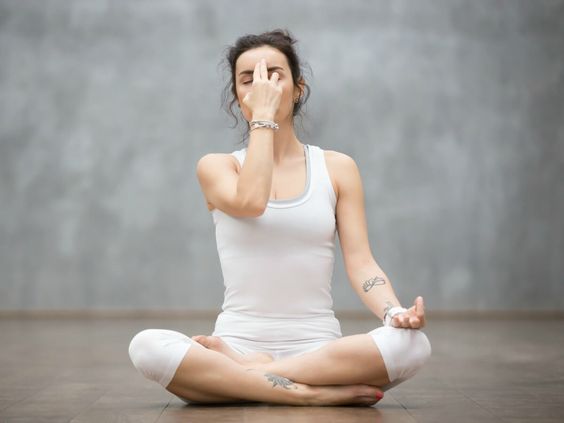
This exercise cleans and purifies the energy channels and is used to harmonize the right and left sides of the body. It consists of breathing alternately through one nostril and the other, freely or by adding a measure of time where exhalation lasts twice as long as inhalation.
- Bring your right hand with your forefinger and thumb in between. Support the ring and little finger in the left nostril and the thumb to the right nostril.
- Start by covering the right nostril and exhale all the air from the left.
- Inhale on the left.
- Cover the left nostril, uncover the right nostril, and exhale all the air from the right.
- Inhale on the right.
- Exhale on the left.
- Repeat at least four turns
Chandra Bhedana Pranayama
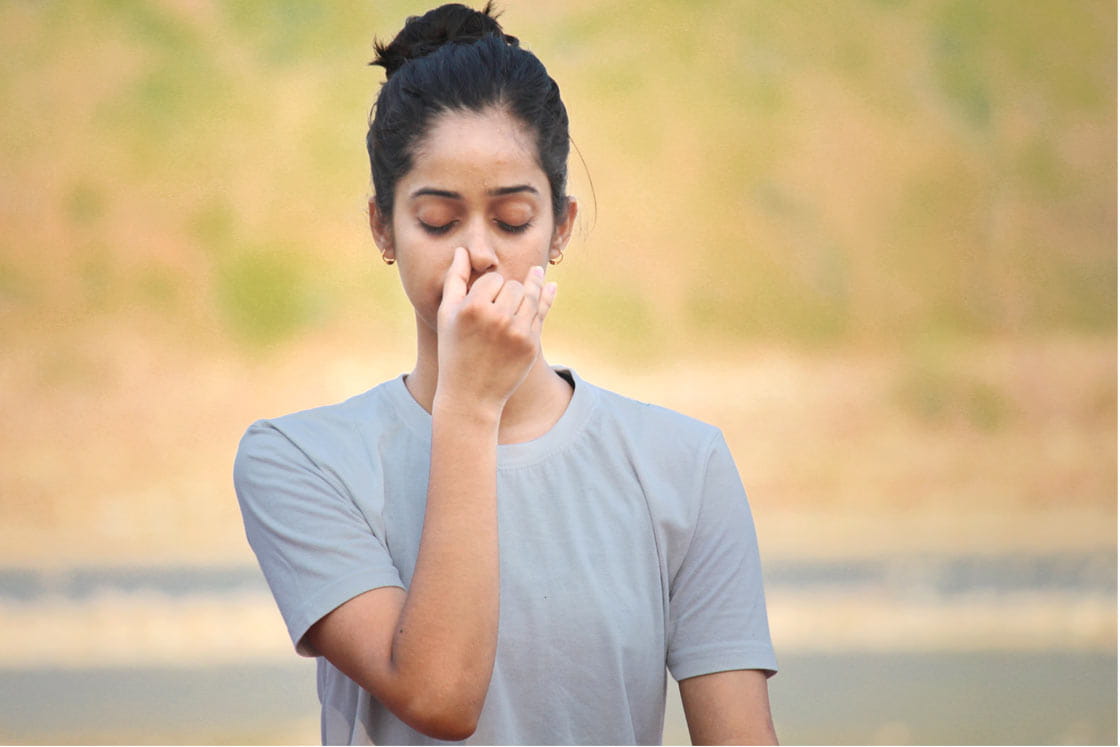 Chandra Bhedana Pranayama exercise consists of inhaling and exhaling through the left nostril. It is used to harmonize energy, decrease the level of anxiety, calm the thoughts of the mind, enter a state of tranquility and meditation. If you usually have low blood pressure, check before doing it.
- Bring your right hand with your forefinger and thumb in between. Support the ring and little finger in the left nostril and the thumb to the right nostril.
- Close the right nose and inhale through the left nose.
- Hold your breath with your lungs full.
- Exhale on the left.
- Inhale on the left.
- Hold your breath.
- Exhale on the left.
- Repeat at least four turns.
Sama Vritti Pranayama
Sama Vritti Pranayama is a simple and powerful technique to balance and calm the mind, oxygenate the body, and strengthen the respiratory musculature and consists of the breathing phases lasting at the same time. These can be 3x3x3x3, 4x4x4x4, 5x5x5x5, or 6x6x6x6. If it’s your first time, start with the shortest time.
- Inhale.
- Hold with full lungs.
- Exhale.
- Hold with empty lungs.
- Start over and practice at least four laps.
Conclusion
Deep breathing exercises can be a simple and accessible way to manage moments of anxiety and encourage relaxation. By slowing your breathing and focusing your attention on each breath, you may help your body and mind feel calmer during stressful situations.
The three techniques discussed in this article can be practiced at home, at work, or whenever you need a moment to reset. Start with the exercise that feels most comfortable and practice regularly to become more familiar with it.
Remember that breathing exercises are not a replacement for professional mental health care. If anxiety is persistent, severe, or interfering with your daily life, consider speaking with a qualified healthcare professional for appropriate support.