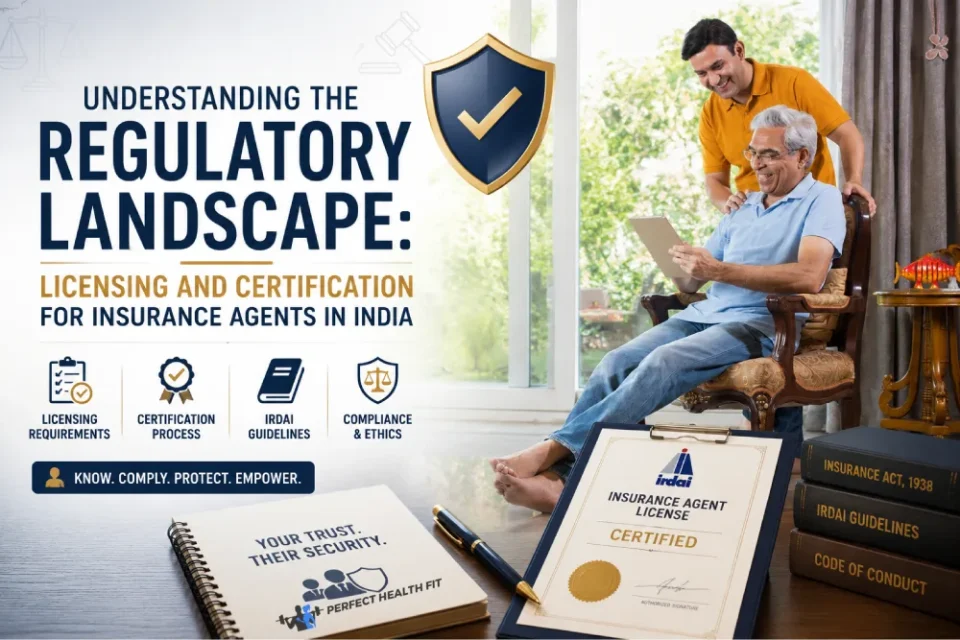
In India, the insurance sector plays a pivotal role in safeguarding individuals and businesses against unforeseen risks. As this sector expands, the need for knowledgeable and qualified insurance agents becomes increasingly paramount.
However, entering this profession entails familiarizing oneself with stringent licensing and certification requirements. Understanding these regulations is crucial for aspiring insurance agents or brokers to thrive in the industry.
This article sheds light on the regulatory framework surrounding licensing and certification for insurance brokers in India.
Table of Contents
Evolution of Insurance Regulations in India
The regulation of insurance activities in India has evolved significantly over the years. The Insurance Regulatory and Development Authority of India (IRDAI) is the apex regulatory body responsible for overseeing and promoting the growth of the country’s insurance sector. Established in 1999, IRDAI has played a pivotal role in shaping the regulatory framework governing insurance brokers.
How to Become an Insurance Agent in India: Licensing Requirements
Obtaining a license is the first step for an individual aspiring to become an agent in India. The process involves fulfilling certain eligibility criteria and adhering to prescribed procedures set forth by IRDAI. Some of the key requirements include:
Educational Qualifications
Candidates must possess a minimum educational qualification, often equivalent to a high school diploma. However, certain specialized roles may necessitate higher educational qualifications.
Training
Prospective agents must undergo pre-licensing training from IRDAI-approved institutions. This training equips them with essential knowledge about insurance products, regulations, sales techniques, and ethical practices.
Examination
Following the completion of training, candidates are required to pass a licensing examination conducted by IRDAI. The examination assesses their understanding of insurance concepts and regulatory frameworks.
Character and Fitness
Applicants must demonstrate good character and fitness to be entrusted with the responsibilities of an agent. Background checks may be conducted to verify their integrity and reliability.
Types of Licenses for Insurance Agents
In India, agents can obtain licenses for selling various insurance products, including life insurance, general insurance, health insurance, and reinsurance. Each insurance category requires specific licensing, reflecting the diverse nature of insurance products and services.
| Life Insurance | Agents selling life insurance products such as term plans, endowment policies, and retirement plans must obtain a life insurance agent license. |
| General Insurance | Those interested in selling non-life insurance products like motor, property, and liability insurance must acquire a general insurance agent license.
|
| Health Insurance | With the rising demand for health insurance products, there’s a specialized license for agents focusing on health insurance policies, covering aspects such as mediclaim and critical illness coverage.
|
| Reinsurance | Reinsurance agents facilitate the transfer of risk between primary insurers and reinsurers. Obtaining a reinsurance agent license involves additional qualifications and expertise in the reinsurance domain.
|
The Role of Continuing Education and Certification
The journey of an agent doesn’t end with obtaining a license. Continuous learning and skill development are imperative for staying updated on evolving industry trends, products, and regulations. IRDAI mandates continuing education for licensed agents to ensure they maintain competency and professionalism throughout their careers.
Agents may pursue various certification programmes offered by industry associations, educational institutions, and training providers. These certifications not only enhance agents knowledge and skills but also enhance their credibility and marketability in the industry. Some of the prominent certifications for agents in India include:
Associate/Fellowship Programmes
These programmes, offered by professional bodies like the Insurance Institute of India (III), confer designations such as Associate/Fellow of the Insurance Institute of India (AIII/FIII) upon successful completion. They cover various insurance-related subjects and are highly regarded within the industry.
Product-Specific Certifications
Agents specializing in certain types of insurance products, such as mutual funds, Unit-Linked Insurance Plans (ULIPs), group health coverage, or pension schemes, may pursue certifications specific to those products. These certifications demonstrate expertise and proficiency in selling and servicing particular insurance products.
Ethics and Compliance Training
Given the importance of ethical conduct and regulatory compliance in the insurance industry, agents may undergo specialized training programmes focusing on ethics, integrity, and regulatory requirements. These programmes reinforce ethical behaviour and promote adherence to industry standards.
Parting Thoughts
The regulatory landscape governing licensing and certification for agents in India is multifaceted and dynamic. Compliance with regulatory requirements, continuous learning, and ethical conduct are paramount for agents seeking success in the industry. By understanding the regulatory framework effectively, aspiring agents can embark on a fulfilling and rewarding career path, contributing to the growth and stability of India’s insurance sector.
Regarding health insurance, Niva Bupa is a highly reputed name that can help individuals kickstart their careers as agents. In addition to providing training courses, it also provides licensed agents the opportunity to earn competitive rewards by selling its diverse range of plans. Get in touch with Niva Bupa for more information!